
Gastrointestinal Cancer – A Comprehensive Guide to Diagnosis, Treatment & Hope
Published on 26 Feb 2026
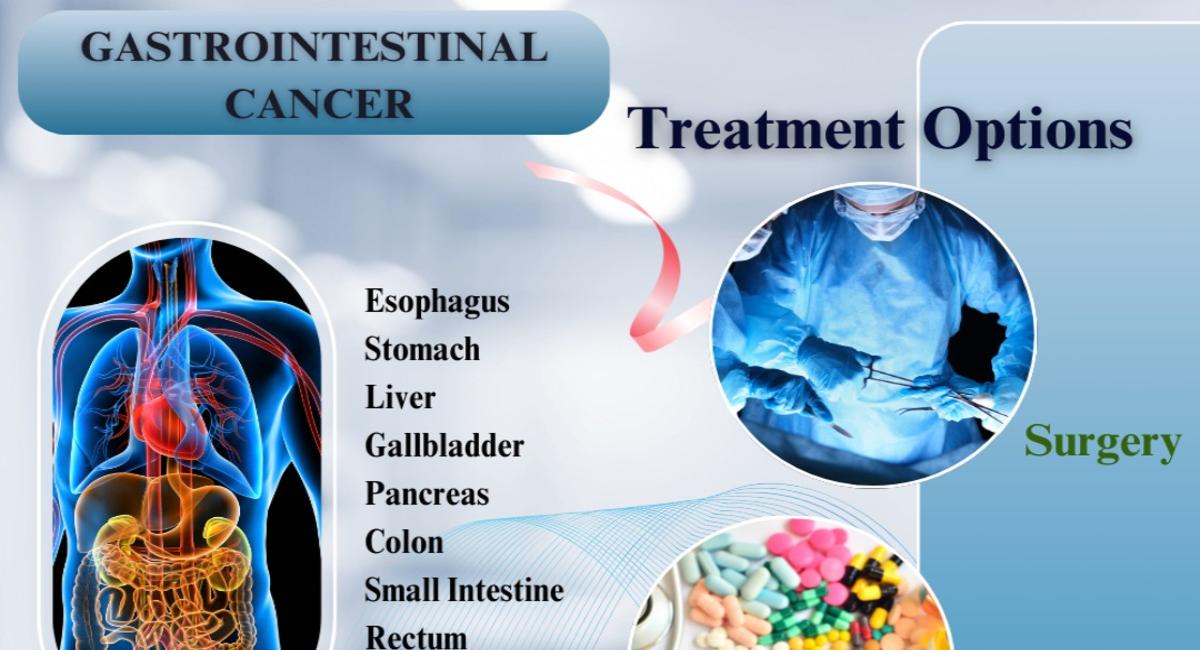
Gastrointestinal (GI) cancers are a group of cancers that affect the digestive system, one of the most vital systems in the human body. These cancers can develop in any part of the digestive tract, from the esophagus to the rectum, and include cancers of the stomach, liver, pancreas, bile ducts, small intestine, and colon.
Though GI cancers are serious and often pose significant health challenges, advances in medical science, early detection strategies, and personalized treatment plans have dramatically improved survival and quality of life for many patients.
This in-depth guide explores what gastrointestinal cancer is, its causes, symptoms, diagnostic processes, modern treatment options, and how expert care especially from GI oncologists offers the best path forward for patients and families.
What Is Gastrointestinal Cancer?
Gastrointestinal cancers are malignancies that begin in the digestive organs. These cancers vary widely in their nature and behavior:
-
Esophageal Cancer – Affects the tube that connects the throat to the stomach.
-
Stomach (Gastric) Cancer – Begins in the stomach lining.
-
Colorectal Cancer – Originates in the colon or rectum.
-
Liver Cancer – Primary liver malignancy, often linked to chronic liver disease.
-
Pancreatic Cancer – Starts in the pancreas, known for aggressive behavior.
-
Bile Duct (Cholangiocarcinoma) – Occurs in the ducts that carry bile from the liver.
-
Small Intestine Cancer – Rare but serious.
Each type of GI cancer comes with distinct challenges, but all share a central impact on digestion, nutrient processing, and overall health.
Causes & Risk Factors
Cancer develops when cells begin to grow uncontrollably due to genetic mutations. While not all causes are known, several risk factors increase the chances of GI cancer:
1. Age
Most GI cancers occur in adults over 50, though younger individuals can also be affected.
2. Family History & Genetics
Inherited conditions like Lynch syndrome and familial adenomatous polyposis (FAP) raise colorectal cancer risk.
3. Diet & Lifestyle
A diet high in processed meats, low in fiber, smoking, heavy alcohol use, and obesity are linked to higher cancer risk.
4. Chronic Diseases
Conditions such as chronic hepatitis, inflammatory bowel disease (IBD), and fatty liver disease increase susceptibility.
5. Environmental Factors
Exposure to certain chemicals, pollutants, and radiation may contribute.
Understanding these risk factors helps people take preventive actions and seek timely screenings.
Common Symptoms to Recognize Early
GI cancers often begin slowly and may not show symptoms until later stages. However, being alert to early warning signs can help prompt early diagnosis:
-
Persistent abdominal pain or discomfort
-
Unexplained weight loss
-
Blood in stool or dark tarry stools
-
Persistent nausea or vomiting
-
Change in bowel habits (constipation or diarrhea)
-
Feeling full quickly after eating
-
Jaundice (yellowing of skin and eyes)
These symptoms overlap with many other conditions, so immediate medical evaluation is crucial if they persist.
Importance of Early Detection
Early detection remains the most powerful tool against GI cancers. Screening tests such as colonoscopy, endoscopy, imaging scans, and tumor marker tests allow cancers to be found at an early, more treatable stage.
For colorectal cancer, regular screenings starting from age 45–50 (or earlier if high risk) can detect precancerous polyps that can be removed before turning into cancer.
How Is Gastrointestinal Cancer Diagnosed?
When cancer is suspected, doctors use a combination of diagnostic tools:
-
Physical Examination & Medical History
A detailed discussion about symptoms, family history, and risk factors.
-
Imaging Studies
CT scans, MRI, PET scans, and ultrasound help visualize internal organs and detect tumors.
-
Endoscopic Procedures
Colonoscopy, endoscopy, or ERCP allow direct visualization and biopsy of suspicious areas.
-
Biopsy
A small tissue sample is taken and examined under a microscope to confirm cancer.
-
Blood Tests
Tumor markers such as CEA (carcinoembryonic antigen) or CA 19-9 may help in diagnosis and monitoring.
Accurate diagnosis is the first step toward effective, personalized treatment.
Modern Treatment Options
Treatment for GI cancer depends on the type, stage, and overall health of the patient. Many cancers are treated through a combination of the following:
1. Surgery
Surgical removal of cancerous tissue is often the primary treatment, especially for early-stage tumors. Minimally invasive techniques like laparoscopic surgery may also be used.
2. Chemotherapy
Powerful medicines target and kill cancer cells throughout the body. Often used before (neoadjuvant) or after (adjuvant) surgery.
3. Radiation Therapy
High-energy rays destroy cancer cells and shrink tumors. It can be combined with chemotherapy for better outcomes.
4. Targeted Therapy
Targeted drugs attack specific molecules that help cancer grow, offering precision treatment.
5. Immunotherapy
This cutting-edge treatment stimulates the immune system to recognize and destroy cancer cells, helping patients with advanced or resistant cancers.
Each patient’s treatment plan is personalized to maximize effectiveness and minimize side effects.
The Role of a GI Oncologist
A Gastrointestinal Oncologist — also known as a GI cancer specialist — is a physician with advanced training in diagnosing and treating cancers of the digestive system.
A GI oncologist:
-
Coordinates multidisciplinary care
-
Reviews diagnostic findings
-
Tailors individualized treatment plans
-
Oversees chemotherapy and targeted therapy
-
Works with surgeons, radiologists, and pathologists
Their specialized expertise ensures that patients receive comprehensive and coordinated cancer care.
Life After a GI Cancer Diagnosis
Cancer treatment affects not only the body, but also emotional, nutritional, and social well-being. Patients often benefit from:
-
Nutritional Support
GI cancer and its treatment can affect appetite and digestion — dietitians help ensure balanced nutrition during recovery.
-
Physical Rehabilitation
Therapies that build strength, reduce fatigue, and improve mobility.
-
Emotional Support
Counseling, support groups, and mental health care help patients and families cope with the emotional impact.
-
Long-Term Follow-Up
Regular checkups help monitor for recurrence and manage long-term effects of treatment.
Recovery is a journey — and each patient’s experience is unique.
Prevention & Lifestyle Tips
While not every case of GI cancer can be prevented, certain lifestyle changes reduce risk:
-
Eat a high-fiber, plant-rich diet
-
Maintain a healthy weight
-
Avoid smoking and limit alcohol
-
Stay active with regular exercise
-
Get regular screenings, especially if at high risk
Making mindful lifestyle choices benefits not just digestive health, but overall well-being.
Conclusion – Hope, Care & Life Beyond Cancer
Gastrointestinal cancer poses serious health challenges, but modern medicine offers powerful tools for diagnosis, treatment, and recovery. Early detection, personalized care, and a team of specialists can make a profound difference in outcomes.
If you or a loved one is facing concerns related to the digestive system — unexplained symptoms, family history of cancer, or changes in health — don’t wait. Early evaluation by a GI specialist can be life-saving.
Gastrointestinal cancer isn’t just a diagnosis — it’s a call to action. And with expert care, informed decisions, and ongoing support, patients can navigate this journey with confidence and hope.
Ready to Get Evaluated?
Visit: www.dramitgisurgeon.com
Take the first step toward expert GI cancer care today.