
Laparoscopic Surgeon – Understanding Minimally Invasive Surgery and Its Benefits
Published on 26 Feb 2026
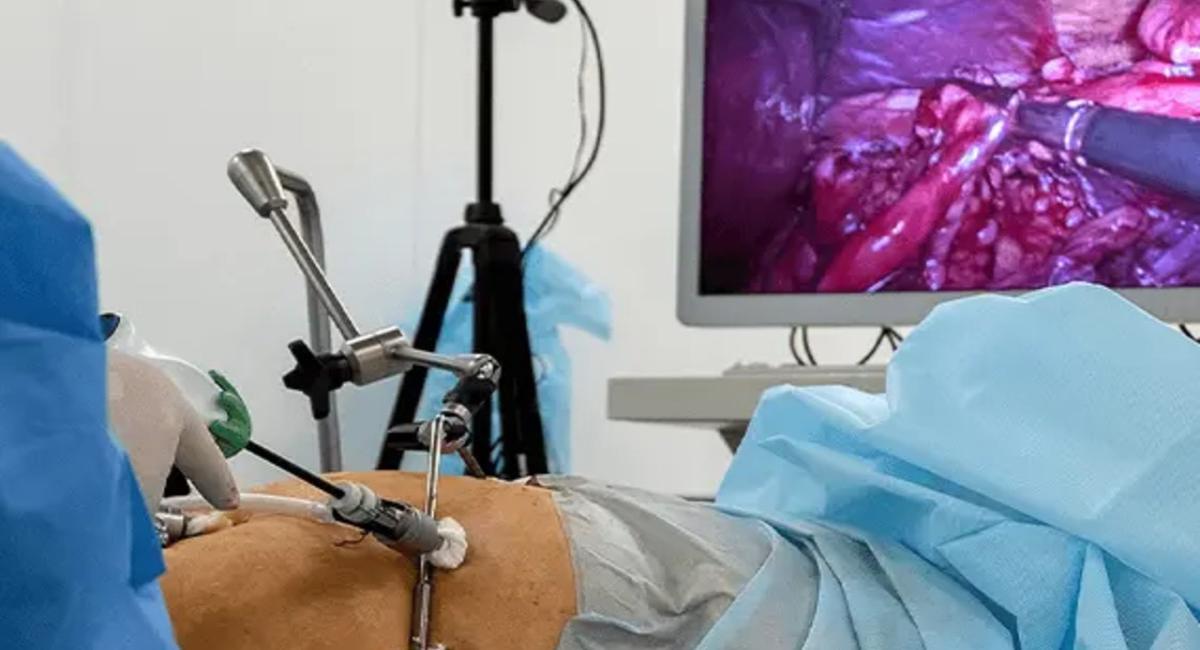
In the ever-advancing world of modern medicine, surgical techniques continue to evolve for safer procedures, reduced recovery times, and improved patient outcomes. Among these innovations, laparoscopic surgery has transformed the way various abdominal and gastrointestinal conditions are managed — offering a minimally invasive alternative to traditional open surgery.
At the forefront of this revolution is the specialized practice of laparoscopic surgery, performed by expert surgeons trained to combine precision, advanced technology, and comprehensive patient care.
This long-form blog explores what laparoscopic surgery is, how it works, its benefits, conditions it treats, patient expectations, recovery process, and why choosing a trained laparoscopic surgeon matters.
What Is Laparoscopic Surgery?
Laparoscopic surgery — also known as minimally invasive surgery, keyhole surgery, or band-aid surgery — is a surgical technique where operations are performed through tiny incisions rather than a large open wound.
In laparoscopic procedures:
-
A laparoscope (a long, thin tube with a high-resolution camera and light source) is inserted through small incisions.
-
The surgeon views the internal organs on a monitor connected to the laparoscope.
-
Specialized instruments are used to perform the procedure with great precision.
This approach contrasts with open surgery, which requires larger incisions, longer hospital stay, and extended recovery periods.
Why Laparoscopic Surgery Is Advantageous
Laparoscopic surgery offers significant clinical and patient-centric benefits, making it a preferred choice for many procedures. These advantages include:
1. Smaller Incisions
Instead of a large surgical cut, laparoscopy uses 3–5 small incisions, reducing trauma and improving cosmetic outcomes.
2. Reduced Pain and Scarring
Smaller cuts mean less discomfort after surgery and minimal visible scarring, enhancing patient confidence.
3. Faster Recovery
Patients often return to normal activities faster than with traditional surgery, making laparoscopy ideal for individuals wishing to minimize downtime.
4. Lower Risk of Infection
Smaller wounds reduce exposure to external contaminants, lowering the risk of wound infections.
5. Shorter Hospital Stay
Many laparoscopic procedures are performed as day care or require only a brief hospital stay.
6. Better Precision
High-definition cameras provide magnified views, allowing for more precise surgical movements.
Common Conditions Treated with Laparoscopic Surgery
Skilled laparoscopic surgeons can treat a wide range of conditions using minimally invasive techniques. Some of the most commonly addressed issues include:
Gallbladder Diseases
Laparoscopic cholecystectomy is the gold standard for gallbladder removal in conditions like:
-
Gallstones
-
Acute or chronic cholecystitis
This procedure offers quick relief from symptoms like biliary colic and infection with minimal recovery time.
Hernia Repair
Laparoscopy is often used to repair:
-
Inguinal hernias
-
Umbilical hernias
-
Hiatal hernias
Patients benefit from stronger abdominal support and lower recurrence rates in many cases.
Appendectomy
The inflamed appendix can be removed laparoscopically, ensuring:
-
Less postoperative pain
-
Faster return to lifestyle
Gastrointestinal Tumors
Select benign and malignant tumors of the stomach, intestines, or colon can be excised with laparoscopic techniques when appropriate, improving recovery and lowering complication risks.
Diagnostic Laparoscopy
When imaging studies do not provide clear answers, diagnostic laparoscopy allows direct visualization of internal organs to confirm or rule out disease conditions.
Who Is a Good Candidate for Laparoscopic Surgery?
While many patients qualify for laparoscopic procedures, suitability depends on individual medical conditions and overall health.
Good candidates typically include:
-
Patients with symptomatic gallstones
-
Individuals with hernias causing discomfort or complications
-
People requiring removal of the appendix
-
Patients needing evaluation of chronic abdominal pain
-
Individuals with early abdominal tumors
However, some situations still require open surgery. Factors such as extensive scar tissue from prior surgeries or complex anatomy may alter the approach.
A thorough evaluation by a qualified laparoscopic surgeon ensures the optimal surgical plan tailored to each patient.
Meet the Expert: Dr. Amit Jain
When it comes to advanced laparoscopic surgery, expertise and experience make all the difference.
Dr. Amit Jain is a distinguished MS, MCh (GI Surgery) specialist with profound expertise in laparoscopic and robotic surgery. With years of surgical practice and advanced training, Dr. Jain offers precise, evidence-based care for a wide range of digestive and abdominal conditions.
Professional Profile
-
Name: Dr. Amit Jain
-
Qualification: MS, MCh (GI Surgery)
-
Specialization: Laparoscopic & Robotic Surgery
-
Expertise: GI Surgery, Liver Transplant, Bariatric Surgery, GI Oncology
-
Current Position: Senior Consultant, Max Hospital, Patparganj, Delhi
-
Website: www.dramitgisurgeon.com
Dr. Jain’s approach emphasizes personalized care, advanced surgical techniques, and compassionate support at every stage of treatment.
What to Expect During the Laparoscopic Surgery Journey
1. Pre-Operative Assessment
Before surgery, Dr. Amit Jain conducts a comprehensive assessment including:
-
Detailed medical history
-
Physical examination
-
Diagnostic imaging
-
Blood tests
This evaluation helps determine if laparoscopy is the most suitable approach.
2. Surgical Procedure
On the day of surgery:
-
General anesthesia is administered.
-
Small abdominal incisions are made.
-
The laparoscope and instruments are carefully inserted.
-
The procedure is completed with precision and minimal trauma.
Most laparoscopic operations take less time than open surgery.
3. Post-Operative Recovery
Recovery after laparoscopic surgery is typically:
-
Comfortable
-
Rapid
-
With minimal pain
Patients are encouraged to walk within a few hours and can often resume daily activities within days.
Dr. Jain ensures close follow-up care, guiding patients on diet, medication, wound care, and activity levels.
Success Stories and Outcomes
Laparoscopic surgery has transformed many lives, offering:
-
Lower complication rates
-
Faster functional recovery
-
Earlier return to work
-
High patient satisfaction
Patients treated by Dr. Amit Jain consistently report improved quality of life and faster return to routine after minimally invasive procedures.
Conclusion: Choosing Laparoscopic Surgery
In the landscape of modern surgical care, laparoscopic surgery stands as a testament to how innovation can significantly improve patient outcomes.
With benefits like smaller incisions, reduced pain, faster recovery, and precise outcomes, laparoscopic surgery should be considered when appropriate for eligible conditions.
However, the success of any minimally invasive procedure depends on the skill and experience of the surgeon. Choosing a trained specialist like Dr. Amit Jain ensures that you receive world-class surgical care backed by expertise, advanced technology, and a compassionate approach.
Book Your Consultation Today
If you or a loved one are experiencing gastrointestinal symptoms or need surgical evaluation, don’t delay your health journey.
Book an Appointment: www.dramitgisurgeon.com
Your health deserves experienced hands and advanced care.