
Colorectal Cancer: A Comprehensive GI Surgery Guide
Published on 26 Feb 2026
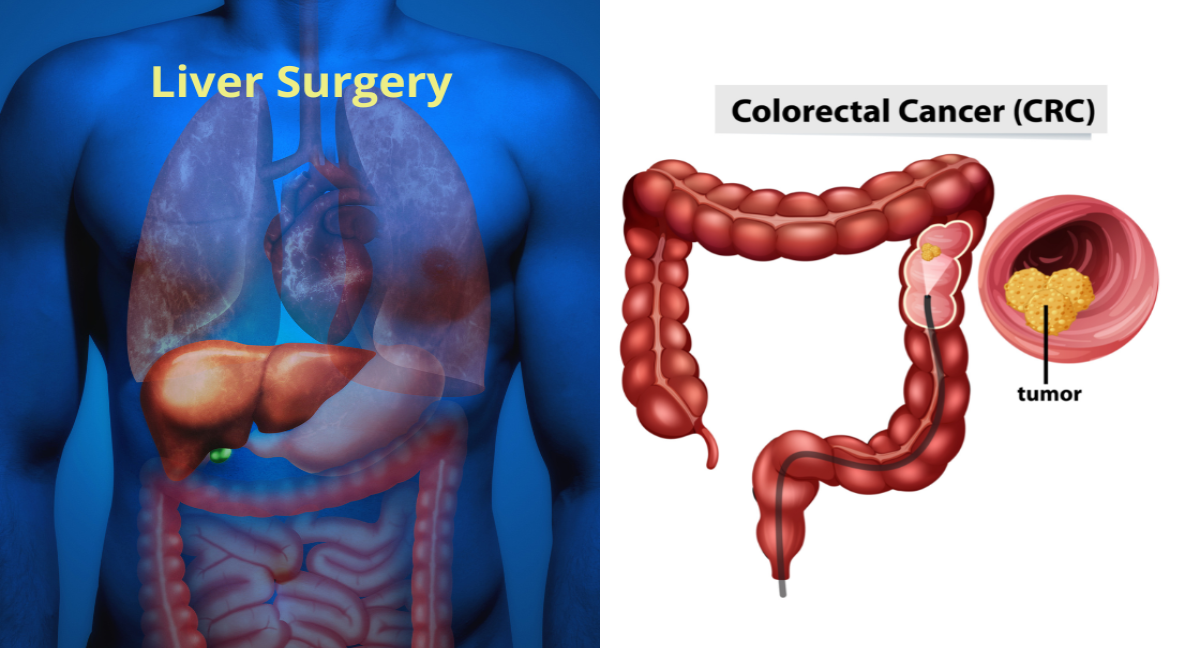
Colorectal cancer — often referred to simply as bowel cancer — is one of the most significant gastrointestinal cancers encountered in clinical practice today. It arises in the colon (large intestine) or rectum, and its incidence has been rising both globally and in younger adults.
Understanding Colorectal Cancer
The colon and rectum are the final parts of the digestive tract, responsible for absorbing water from food waste and storing stool before elimination. Cancer can develop when normal cells in the colon or rectum accumulate genetic changes that allow them to grow uncontrollably. Most colorectal cancers begin as small precancerous polyps — tiny growths on the inner lining of the colon or rectal wall. Over time, these polyps can evolve into malignant tumors.
Colorectal cancers are classified by location:
-
Colon cancer – in the large intestine.
-
Rectal cancer – in the rectum.
The behavior, symptoms, and surgical approaches may vary slightly depending on the site.
Causes and Risk Factors
While the exact triggers of colorectal cancer are still being studied, several well-known risk factors increase the likelihood of developing the disease:
-
Age (most cases occur in people over 50, though younger individuals are increasingly affected).
-
Family history of colorectal cancer or genetic syndromes (e.g., Lynch syndrome, familial adenomatous polyposis).
-
Lifestyle factors such as high-fat/low-fiber diet, obesity, smoking, and regular alcohol consumption.
-
Inflammatory bowel disease (long-standing ulcerative colitis or Crohn’s disease increases risk).
These risk factors do not mean an individual will definitely get cancer, but they raise risk and often influence screening recommendations.
Symptoms to Watch For
Colorectal cancer can be stealthy — often developing slowly and sometimes without symptoms in early stages. However, as tumors grow or spread, typical warning signs include:
-
Change in bowel habits (persistent diarrhea, constipation, or altered stool shape).
-
Blood in the stool or rectal bleeding (may be bright red or dark).
-
Abdominal discomfort such as cramps or bloating.
-
Persistent fatigue and unexplained weight loss.
-
Feeling that the bowel does not empty completely.
Because many of these symptoms can mimic less serious conditions, early evaluation and appropriate investigations are critical — especially if symptoms persist.
Diagnosis: Detecting Cancer Early
Early diagnosis dramatically improves outcomes. Common diagnostic tools include:
-
Colonoscopy: The gold standard for early detection — it visualizes the entire colon and allows biopsy or removal of suspicious polyps.
-
Imaging studies such as CT scans, MRI, or PET to assess spread.
-
Blood tests including tumor markers (e.g., CEA — carcinoembryonic antigen).
Once confirmed, tumors are staged based on size and whether they have spread to lymph nodes or distant organs — a key factor guiding treatment decisions.
Role of Surgery in Colorectal Cancer
Surgery remains the cornerstone of curative treatment for localized colorectal cancer. The goal is to completely remove the cancerous tissue while preserving as much normal bowel function as possible.
Types of Surgery
Colorectal surgeons may utilize different surgical techniques depending on tumor stage, location, and patient health:
-
Open Surgery – traditional approach through a larger incision.
-
Laparoscopic (Minimally Invasive) Surgery – small incisions, cameras and specialized instruments.
-
Robotic-assisted Surgery – advanced technology enhancing precision and maneuverability.
All surgical approaches aim to perform a colectomy (removal of the cancerous section of bowel) or rectal resection, with reconnection (anastomosis) of the remaining healthy bowel.
In rectal cancer, especially low-lying tumors, advanced techniques such as total mesorectal excision (TME) are often used to achieve clear margins and reduce recurrence.
Laparoscopic vs. Open Surgery
Minimally invasive approaches like laparoscopy and robotic surgery have become increasingly popular due to benefits like:
-
Smaller incisions
-
Reduced post-operative pain
-
Shorter hospital stays
-
Faster recovery
Studies show that when performed according to oncologic principles, laparoscopic surgery offers outcomes comparable to open surgery in terms of survival and cancer recurrence.
Chemo, Radiation, and Multimodal Treatment
For locally advanced or high-risk tumors, surgery may be combined with:
-
Chemotherapy — before or after surgery to reduce tumor size or kill residual cells.
-
Radiation therapy — especially for rectal cancer to improve local control.
-
Targeted and immunotherapy — for advanced or metastatic disease.
Multidisciplinary care involving GI surgeons, oncologists, radiologists, and pathologists offers the best chance of long-term survival and quality of life.
Recovery and Follow-Up
Post-operative care focuses on wound healing, bowel function recovery, and monitoring for recurrence. Patients typically undergo:
-
Regular physical exams
-
Colonoscopy at defined intervals
-
Tumor marker evaluations
-
Imaging as indicated
Follow-up care helps detect recurrence early or identify new polyps.
Prevention and Screening
While not all colorectal cancers are preventable, the risk can be significantly reduced by:
-
Maintaining a healthy diet rich in fiber
-
Regular physical activity
-
Avoiding tobacco and limiting alcohol
-
Participating in screening programs
-
Early removal of polyps during colonoscopy
Screening is especially important because cancer often develops without early symptoms. Most guidelines recommend starting regular screening at age 45–50, or earlier for those with risk factors.
Why Consult Dr. Amit Jain?
Dr. Amit Jain is a highly experienced GI, Laparoscopic & Colorectal Surgeon, known for providing advanced, patient-centric care for colorectal cancer and other gastrointestinal conditions. With expertise in minimally invasive and laparoscopic colorectal surgery, Dr. Amit Jain focuses on precise tumor removal, faster recovery, reduced post-operative pain, and improved quality of life.
Conclusion
Colorectal cancer is a serious but highly treatable disease when caught early. As a GI surgeon, understanding the disease’s natural history, symptoms, and modern surgical techniques is essential for delivering optimal care. By combining early detection, advanced surgical intervention, and multidisciplinary management, survival rates continue to improve — offering hope to patients and their families worldwide.