Gallbladder: A Complete GI Surgery Guide
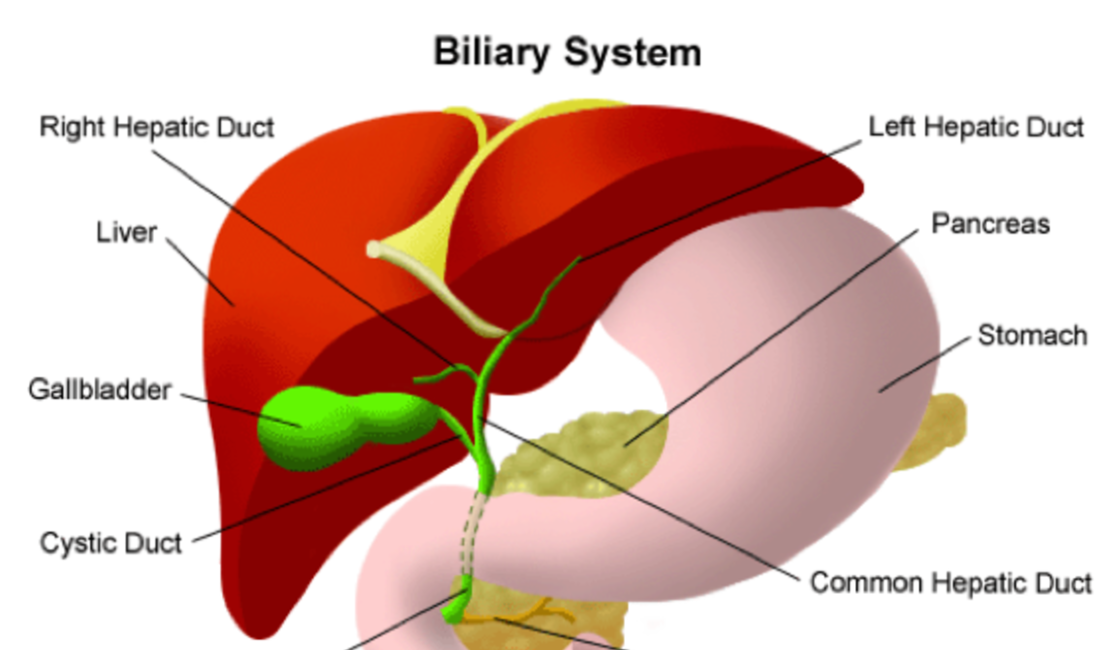
The gallbladder is a small, pear-shaped organ tucked under the liver. Though small in size, it has an important role in digestion — particularly in storing and releasing bile, the digestive fluid that helps break down fats in the food we eat. Problems in the gallbladder are among the most common digestive disorders and often require evaluation by a GI surgeon.
What Is the Gallbladder? (Anatomy & Function)
The gallbladder is a hollow, muscular organ located just beneath the liver. It stores and concentrates bile, a yellow-green liquid produced by the liver that helps digest fats. When we eat a meal, especially one high in fat, the gallbladder contracts and releases bile into the small intestine via the bile ducts to aid digestion.
Although the gallbladder plays an important role in fat digestion, it is not essential for life. The body can adapt and digest food even after the gallbladder is removed, with bile flowing directly from the liver to the intestine.
Common Gallbladder Conditions
1. Gallstones (Cholelithiasis)
The most common gallbladder problem is gallstones — hardened deposits of bile components that form inside the gallbladder. These stones can remain silent or cause significant symptoms when they obstruct bile flow.
Symptoms of gallstones may include:
Severe pain in the upper right abdomen
Pain that may spread to the back or shoulder
Nausea and vomiting
Bloating or indigestion
Fever or jaundice (if infection or bile duct obstruction occurs)
Some gallstones may cause chronic irritation of the gallbladder walls, leading to inflammation known as cholecystitis. This condition often presents with more intense pain, fever, and tenderness in the right upper abdomen.
2. Gallbladder Infection (Cholecystitis)
When a gallstone blocks the cystic duct (the tube carrying bile out of the gallbladder), bile can become trapped, leading to inflammation and infection of the gallbladder. This condition — called acute cholecystitis — can be painful and requires urgent medical care.
3. Biliary Dyskinesia & Other Disorders
Not all gallbladder problems are due to stones. Some people develop poor gallbladder function (biliary dyskinesia), biliary sludge, or even tumors of the gallbladder or bile ducts. These can also cause pain and digestive symptoms and may require surgical intervention.
Diagnosis: How Gallbladder Problems Are Identified
Doctors use a combination of symptoms and tests to diagnose gallbladder conditions:
Ultrasound: The most common and effective imaging test for detecting gallstones.
Blood tests: To check for infection, liver function, and signs of obstruction.
HIDA scan or other imaging: To evaluate gallbladder function and bile flow.
Proper diagnosis helps determine whether conservative treatment is sufficient or if surgical intervention is necessary.
Treatment Options
Lifestyle & Medications
Mild gallbladder problems and small stones may initially be managed with dietary changes such as reducing fatty foods, weight management, and monitoring, along with pain control. However, these methods rarely eliminate stones permanently.
Surgical Treatment: Cholecystectomy
When gallstones cause recurrent symptoms, infection, or complications, gallbladder removal — cholecystectomy — is often recommended. This surgery is among the most common procedures in GI surgery.
Types of gallbladder surgery include:
Laparoscopic Cholecystectomy (Minimally Invasive): Surgeons remove the gallbladder through small keyhole incisions using a camera and instruments. This approach usually leads to shorter hospital stay, faster recovery, and less pain.
Open Cholecystectomy: A larger abdominal incision may be necessary if anatomy is difficult or if complications arise during minimally invasive surgery.
During surgery, a surgeon may also check for stones in the bile ducts. If stones are found there, additional procedures like ERCP (endoscopic removal) may be used to clear them.
Recovery After Surgery
Most people recover quickly after laparoscopic gallbladder removal — often returning to normal activities in a few days to weeks. After surgery:
Bile flows directly from the liver to the intestines.
Some patients may notice changes in digestion, such as loose stools, especially after rich or fatty meals.
A gradual return to a balanced diet with low fat is usually recommended as the body adapts.
Complications & When to Seek Help
Gallbladder surgery is generally safe, but like all surgeries, it carries some risks such as bleeding, infection, or bile duct injury. If symptoms like severe abdominal pain, fever, jaundice, or persistent vomiting occur after treatment, immediate medical care is essential.
Prevention & Healthy Habits
Although you cannot always prevent gallstones, some lifestyle approaches can lower risk:
Maintain a healthy weight
Eat a balanced diet high in fiber and low in unhealthy fats
Stay physically active
Monitor symptoms and consult early if problems appear
Conclusion
The gallbladder may be a small organ, but its disorders — particularly gallstones and infections — are a major source of abdominal pain and digestive issues. With prompt diagnosis, modern imaging, and the expertise of a GI surgeon, most gallbladder conditions can be effectively treated, often with minimally invasive surgery. Patients typically recover well and can return to normal life with improved comfort and digestive function.