The Oesophagus: A Complete GI Surgery Guide
The esophagus, commonly known as the food pipe, is a muscular tube that carries food and liquids from your mouth into your stomach. Though often overlooked, it plays a vital role in your digestive system — and problems with the esophagus can seriously affect nutrition, comfort, and overall health.
What Is the Esophagus? (Anatomy & Function)
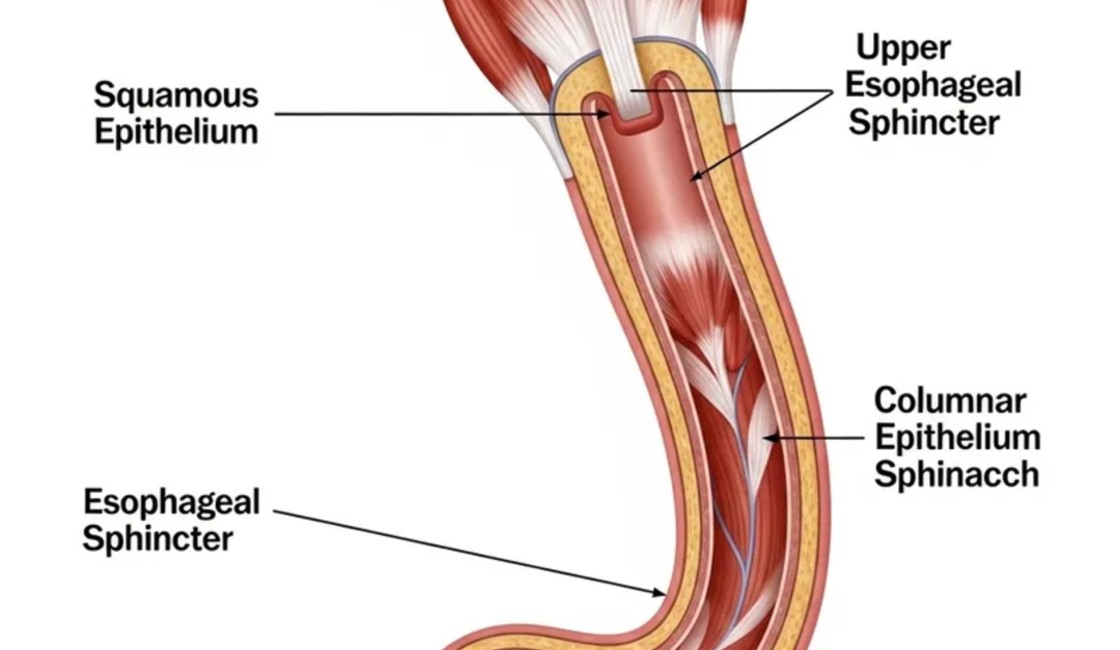
The esophagus is a muscular, flexible tube that starts at the back of your throat (pharynx) and travels down through the chest (mediastinum) before passing through the diaphragm into the stomach. Its main job is to transport swallowed food using coordinated muscle contractions called peristalsis.
It also contains two sphincters — muscular rings that open and close to regulate movement:
Upper esophageal sphincter: Prevents air from entering the esophagus during breathing.
Lower esophageal sphincter (LES): Stops stomach acid and contents from refluxing back into the esophagus.
Common Esophageal Disorders
Esophageal disorders range from mild irritation to life-threatening diseases. Here are some of the major conditions:
1. Gastroesophageal Reflux Disease (GERD)
This chronic condition occurs when stomach acid repeatedly flows back into the esophagus because the lower esophageal sphincter fails to stay closed properly. Symptoms include heartburn, chest pain, regurgitation, and sometimes chronic cough. Left untreated, GERD can damage the esophagus and lead to complications.
2. Barrett’s Esophagus
Long-standing acid reflux can cause a change in the esophageal lining called Barrett’s esophagus, which increases the risk of cancer over time.
3. Achalasia
A rare motility disorder where the lower esophageal sphincter fails to relax, making it hard to swallow. Over time, food can remain in the esophagus and stretch it. Severe cases might require surgical treatment.
4. Esophageal Strictures & Motility Disorders
Conditions like strictures — narrowing of the esophagus — can result from GERD, injury, or inflammation and lead to difficulty swallowing. Other motility disorders affect muscle coordination.
5. Hiatal Hernia
The upper part of the stomach pushes through the diaphragm into the chest. It often worsens reflux symptoms and may require surgical repair.
6. Esophageal Cancer
Cancer of the esophagus can begin in the mucosal cells and spread deeper unless treated early. It commonly presents with progressive difficulty swallowing (dysphagia), weight loss, pain, and sometimes coughing. Smoking, alcohol, and long-standing reflux increase the risk.
7. Other Disorders
These include diverticula (pouches), eosinophilic esophagitis (inflammatory condition), and benign tumors — each requiring specific approaches to diagnosis and treatment.
Symptoms of Esophageal Problems
The symptoms can vary based on the disorder but commonly include:
Heartburn / Acid Reflux
Difficulty swallowing (dysphagia)
Regurgitation of food or acid
Chest pain that is not cardiac
Chronic cough or hoarseness
Unexplained weight loss
Vomiting or choking while eating
Diagnosis: How Esophageal Conditions Are Evaluated
Doctors use a variety of tests to understand esophageal disorders:
Upper GI Endoscopy: Allows direct visualization and biopsy if needed.
Esophageal Manometry: Measures muscle and sphincter function for motility disorders.
Barium Swallow X-ray: Helps see structural problems and swallowing mechanics.
pH Monitoring: Detects abnormal acid exposure in GERD.
Proper diagnosis is crucial because treatments range from lifestyle changes and medications to interventional procedures and surgery.
Surgical Treatment for Esophageal Conditions
When non-surgical measures do not relieve symptoms — or when serious disease is diagnosed — surgical treatment may be recommended.
1. Anti-Reflux Surgery (Fundoplication)
In patients with severe GERD or large hiatal hernia that do not respond to medications, a surgical procedure called Nissen fundoplication may be performed. It involves wrapping the stomach around the lower esophagus to reinforce the LES and prevent reflux.
2. Heller Myotomy for Achalasia
This procedure cuts the tight muscle at the LES to allow easier passage of food. It is often performed laparoscopically and may be combined with a partial fundoplication to prevent reflux.
3. Esophagectomy for Esophageal Cancer
In cases of cancer, surgery may involve removing part or all of the esophagus (esophagectomy) and reconstructing the digestive route using the stomach or intestine. This is a major surgery that requires expert surgical care and thorough preparation.
4. Esophageal Dilation & Stenting
For strictures or blockages, endoscopic dilation — widening the narrowed segment — or placement of an esophageal stent may improve swallowing and quality of life.
Post-Operative Care & Recovery
After surgery, patients may undergo:
Dietary transitions from liquids to soft foods
Acid control medications
Swallowing function monitoring
Periodic endoscopic checks for recurrence or complications
Recovery can vary based on the surgical procedure and overall health of the patient.
Prevention & Long-Term Management
Many esophageal conditions — especially reflux and its complications — can be reduced with:
Eating smaller meals and avoiding late dinners
Reducing spicy and fatty foods
Maintaining healthy weight
Avoiding tobacco and excess alcohol
Elevating the head of the bed for reflux control
Regular follow-up and early evaluation of symptoms ensure timely management and better outcomes.
Consult a Specialist for Oesophagus Care
If you are experiencing persistent heartburn, difficulty swallowing, regurgitation, or chest discomfort, it’s important to seek expert evaluation. Conditions of the esophagus — whether benign or malignant — benefit from early diagnosis and a tailored treatment plan.
And if you need expert surgical care, consulting a qualified GI surgeon can make all the difference in treatment success, especially when symptoms persist despite medical therapy or when structural disease is suspected.