Liver: A Comprehensive GI Surgery Guide
The liver is one of the most vital organs in the human body and plays a central role in digestion, metabolism, detoxification, immunity, and overall health. It is not only the largest internal organ but also one of the most resilient — capable of regeneration after injury or surgery. However, a variety of diseases can affect the liver, ranging from fatty changes and inflammation to cancer and liver failure, many of which may require expert care from a GI or hepatobiliary surgeon.
What Is the Liver? (Anatomy & Function)
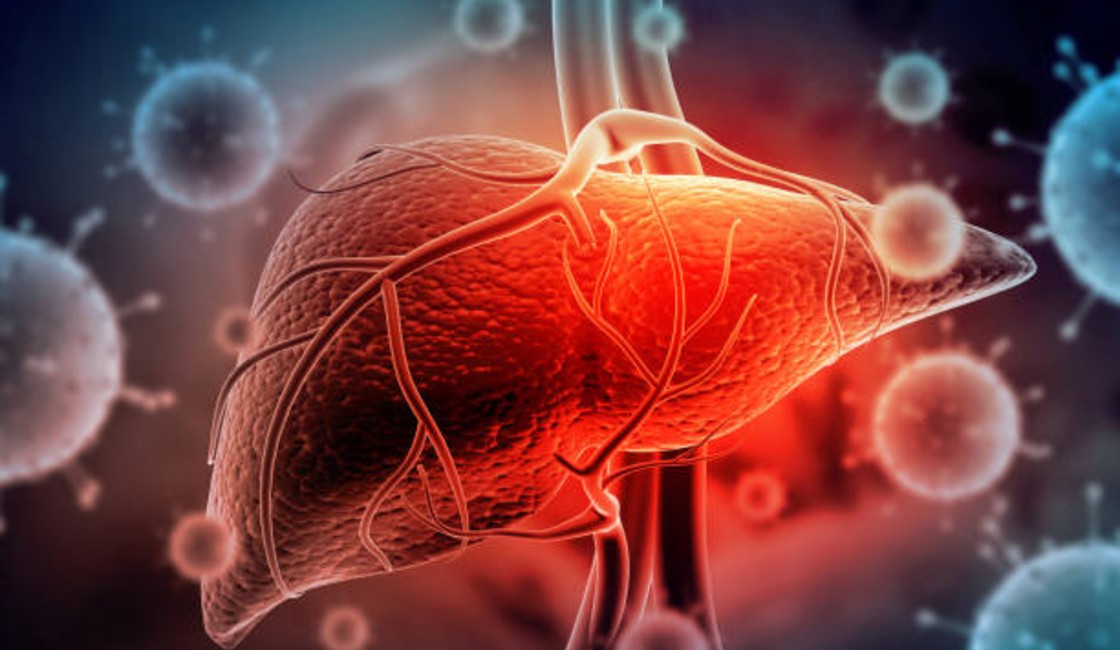
The liver is a large, reddish-brown organ located in the upper right side of the abdomen, just beneath the diaphragm. It receives blood from two major sources — the hepatic artery carrying oxygen-rich blood and the portal vein carrying nutrient-rich blood from the digestive tract.
Key Functions of the Liver
Metabolism: Breaks down carbohydrates, fats, and proteins; stores glucose as glycogen.
Detoxification: Filters toxins, drugs, and waste products from the bloodstream.
Bile Production: Produces bile — critical for digestion and absorption of fats.
Storage: Stores vitamins (A, D, B12), iron, and other nutrients.
Immune Support: Helps fight infections and synthesize essential proteins like clotting factors.
Metabolism: Breaks down carbohydrates, fats, and proteins; stores glucose as glycogen.
Detoxification: Filters toxins, drugs, and waste products from the bloodstream.
Bile Production: Produces bile — critical for digestion and absorption of fats.
Storage: Stores vitamins (A, D, B12), iron, and other nutrients.
Immune Support: Helps fight infections and synthesize essential proteins like clotting factors.
Because of these multiple complexities, liver diseases can affect digestion, immunity, metabolic balance, and even blood clotting.
Common Liver Conditions
1. Fatty Liver Disease (NAFLD & AFLD)
Fatty liver occurs when excess fat accumulates in liver cells. Non-alcoholic fatty liver disease (NAFLD) is common in people with obesity or metabolic syndrome, while alcoholic fatty liver disease (AFLD) results from excessive alcohol use.
Early stages might not show symptoms, but as it progresses, it can cause fatigue, discomfort in the upper right abdomen, and elevated liver enzymes.
2. Liver Inflammation & Hepatitis
Hepatitis is inflammation of the liver, often caused by viral infections (like hepatitis A, B, and C), toxins, drugs, or autoimmune disease. Untreated hepatitis can lead to chronic inflammation, fibrosis, and eventually cirrhosis.
3. Cirrhosis & Fibrosis
Fibrosis refers to scar tissue formation in the liver. When this becomes widespread, it leads to cirrhosis, a condition where normal liver tissue is replaced by scar tissue, reducing liver function permanently. Symptoms can include fatigue, itchy skin, weight loss, fluid retention, and jaundice (yellowing of skin and eyes).
4. Liver Tumors & Cancer
Liver tumors can be benign (non-cancerous) or malignant (cancerous). Primary liver cancer, such as hepatocellular carcinoma (HCC), often arises in the context of chronic liver disease or cirrhosis. Early detection is crucial, as advanced cancer may require extensive surgical intervention.
5. Cysts and Other Structural Lesions
Liver cysts — fluid-filled sacs — are often asymptomatic. However, large cysts can cause abdominal discomfort or complications. These may sometimes require drainage or surgery, especially if they cause symptoms or have complex features.
6. Liver Failure
Liver failure occurs when a large portion of the liver is damaged and can no longer function properly. It can be acute (sudden onset) or chronic (developing over time), and it can be life-threatening without urgent care.
Symptoms of Liver Disease
Signs may vary depending on the condition but often include:
Jaundice (yellow skin/eyes)
Fatigue and weakness
Loss of appetite
Nausea or abdominal discomfort
Itching
Fluid retention and swelling
Dark urine and pale stools
Because liver disease can be silent in early stages, many people do not realize they have a problem until significant damage has occurred.
Diagnosis: How Liver Diseases Are Identified
Diagnosing liver conditions usually involves:
Blood Tests: Including liver enzymes, bilirubin levels, and viral markers.
Imaging: Ultrasound, CT scan, and MRI help visualize liver structure and detect masses, cysts, or fat.
Biopsy: A small tissue sample may be taken when precise diagnosis is needed.
Specialized Tests: Such as elastography to measure liver stiffness (fibrosis).
Surgical Treatment for Liver Conditions
Surgery plays an important role in managing many liver diseases, particularly when conservative treatments are insufficient.
1. Hepatectomy (Liver Resection)
Also known as liver resection, this surgery involves removing a part of the liver affected by tumors or other localized disease. Because the liver can regenerate, removing even a large portion is possible in many cases.
2. Liver Transplantation
When the liver can no longer function properly due to cirrhosis, failure, or advanced tumors, liver transplant may be the best option. In this procedure, the diseased liver is replaced with a healthy liver from a deceased or living donor. Both donor and recipient livers can regenerate after surgery.
Recovery & Post-Surgery Care
After liver surgery — whether resection or transplant — recovery includes:
Monitoring liver function
Balanced diet and nutrition support
Avoiding alcohol and toxins
Regular follow-up imaging and blood tests
Because the liver regenerates, careful medical follow-up can help restore function and prevent future complications.
Prevention & Healthy Liver Practices
Maintaining liver health involves:
Healthy diet: Rich in fruits, vegetables, and whole grains.
Regular exercise
Limiting alcohol intake
Vaccination against hepatitis
Avoiding unnecessary medications and toxins
Routine medical checkups
Early detection and lifestyle changes can slow disease progression and prevent serious complications.
Conclusion
The liver is a powerhouse organ essential to life. From metabolism to detoxification, its health impacts nearly every body system. Many liver diseases can be managed or treated effectively with early diagnosis, advanced medical care, and appropriate surgery — including complex hepatobiliary procedures and transplantation. Consulting an experienced GI and liver surgeon ensures personalized care and the best possible outcomes for liver health challenges.