Understanding the Common Bile Duct: A Comprehensive GI Surgery Guide
The common bile duct (CBD) is an essential part of the biliary system — the network of tubes that carries bile from the liver and gallbladder to the small intestine to aid in fat digestion. It plays a crucial role in the digestive process, and diseases affecting this duct can range from stones and strictures to serious cancers. An in-depth understanding of the common bile duct is vital for patients, caregivers, and anyone interested in gastrointestinal surgery.
Anatomy and Function of the Common Bile Duct
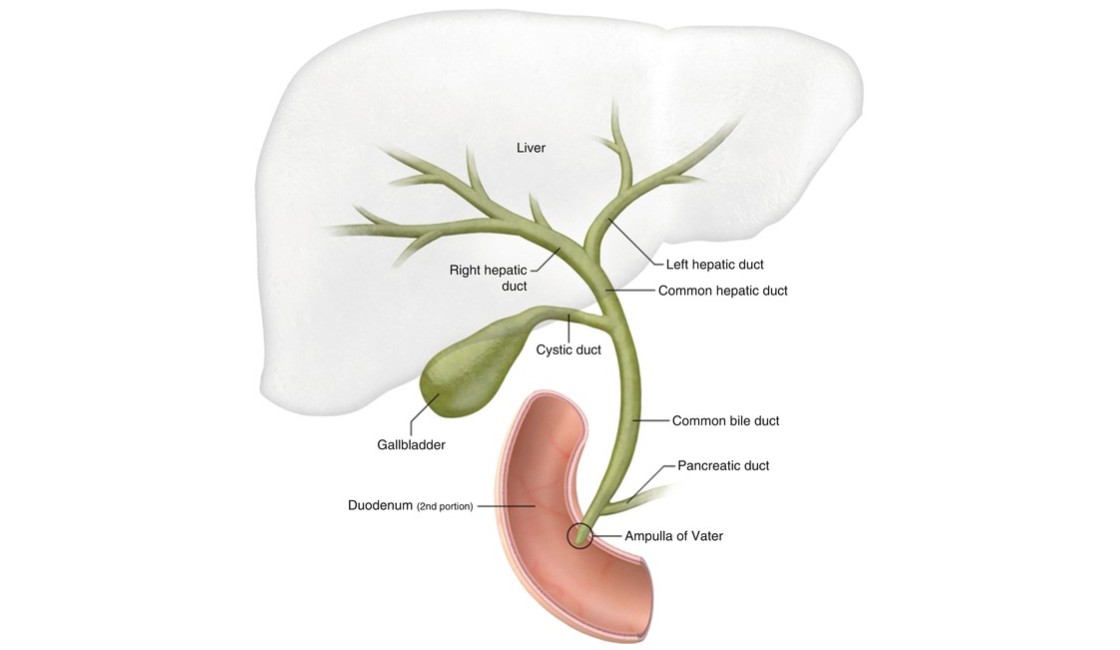
The common bile duct is formed by the union of the common hepatic duct (coming from the liver) and the cystic duct (from the gallbladder). It extends downward and joins with the pancreatic duct to form the ampulla of Vater, which opens into the second part of the small intestine (duodenum). At this junction, sphincters such as the sphincter of Oddi regulate the flow of bile into the digestive tract.
Bile is a digestive fluid produced by the liver to help absorb fats and eliminate waste products like bilirubin. The CBD serves as the final channel through which bile reaches the intestine — making it essential for digestion and liver health.
Common Conditions Affecting the Common Bile Duct
1. Common Bile Duct Stones (Choledocholithiasis)
One of the most frequent CBD conditions is the formation or migration of gallstones into the duct — known medically as choledocholithiasis. Stones may form directly in the duct or travel there from the gallbladder. Even individuals who have had their gallbladder removed can develop stones within the CBD.
Symptoms include:
Jaundice (yellowing of skin/eyes)
Right upper abdominal pain
Fever and chills (if infection develops)
Clay-colored stools or dark urine
If stones block bile flow, emergency situations like ascending cholangitis (infection of the bile ducts) can develop, requiring urgent treatment.
2. Biliary Strictures and Injury
A biliary stricture is a narrowing of the bile duct. It can be benign (due to scarring from inflammation, surgery, or trauma) or malignant (caused by tumors). Strictures often result in impaired bile flow, jaundice, pruritus (itching), clay-colored stools, and pain.
One of the most common reasons for bile duct injury is laparoscopic gallbladder surgery (cholecystectomy), particularly when the anatomy is unclear or inflammation obscures structures. Such injuries can lead to bile leakage or strictures that may need reconstruction or surgical repair.
3. Cholangiocarcinoma (Bile Duct Cancer)
A more serious condition of the bile duct is cholangiocarcinoma — a cancer arising from the bile duct lining. Cholangiocarcinoma can be classified based on where it occurs: intrahepatic (inside the liver), perihilar (junction of hepatic ducts), or distal (closer to the intestine).
This type of cancer often presents late and may cause progressive jaundice, weight loss, abdominal pain, and stool changes. Surgical resection remains the mainstay of potentially curative treatment where feasible.
Symptoms Common to CBD Disorders
Whether due to stones, strictures, or tumors, symptoms of common bile duct problems often overlap:
Jaundice (yellowing of eyes/skin)
Intermittent or constant abdominal pain (often in the upper right quadrant)
Dark urine and pale stools
Fever with chills (suggests infection)
Itching (pruritus)
Loss of appetite and nausea
If you experience any combination of these symptoms, especially jaundice or fever, prompt medical evaluation is essential.
Diagnosis: Identifying the Problem
Diagnosing CBD conditions typically involves a combination of clinical evaluation and imaging:
Ultrasound: Often the first test to look for bile duct dilation or stones.
MRCP (Magnetic Resonance Cholangiopancreatography): Non-invasive imaging to visualize the bile ducts.
ERCP (Endoscopic Retrograde Cholangiopancreatography): Can both diagnose and treat stones or strictures by removing stones or placing stents.
Blood tests: Checking liver enzymes, bilirubin, and pancreatic enzymes to detect obstruction effects.
Treatment and Surgical Options
Non-Surgical and Minimally Invasive Management
For many CBD conditions, minimally invasive procedures are the first line of treatment:
ERCP (Endoscopic Retrograde Cholangiopancreatography)
ERCP remains a cornerstone for stone removal and stent placement, helping to restore bile flow without open surgery. However, it carries risks like pancreatitis, bleeding, or infection.
Surgical Approaches
When endoscopic treatments fail, stones are too large, strictures are complex, or malignancy is suspected, surgery may be recommended:
Laparoscopic Common Bile Duct Exploration
Used to remove stones directly from the bile duct, especially when they cannot be extracted endoscopically.
Choledocholithotomy
An incision into the bile duct to remove stones directly; often combined with gallbladder removal (cholecystectomy).
Choledochoduodenostomy
A surgical connection between the bile duct and the intestine, performed when the duct is diseased or obstructed.
Bypass or Resection for Tumors
For bile duct cancers or irreparable strictures, surgeons may remove the diseased segment of the bile duct and reconstruct the pathway to the intestine. Complex procedures like the Whipple operation are performed for distal cancers.
Risks and Post-Operative Care
All surgeries carry risks including bleeding, infection, bile leakage, and anesthesia-related issues. Recovery varies with the extent of surgery and individual health. Close follow-up, liver function monitoring, and dietary adjustments are often part of post-operative care.
When to See a GI Surgeon
If you have symptoms like progressive jaundice, severe abdominal pain, unexplained fever, or changes in stool and urine color, seek evaluation by a GI surgeon promptly. Early and accurate diagnosis can prevent complications such as cholangitis, liver damage, or tumor progression.
Consult Dr. Amit Jain
For expert evaluation and management of common bile duct disorders — ranging from stones and strictures to complex surgical reconstructions — Dr. Amit Jain (GI, laparoscopic & gastrointestinal surgeon) offers advanced care tailored to each patient’s condition. His expertise in minimally invasive and open biliary surgery ensures personalized treatment planning and optimal outcomes.
Book an appointment with Dr. Amit Jain for comprehensive diagnosis, ERCP coordination, and surgical treatment of bile duct conditions.
Conclusion
The common bile duct may be small in size, but it has a major impact on digestive health. Diseases affecting this duct — whether stones, strictures, injuries, or cancer — require careful evaluation and often multidisciplinary management. With early diagnosis, appropriate imaging, and expert surgical care, many conditions can be treated successfully — restoring bile flow and improving patient quality of life.